Are AI toys safe? The trouble with talking teddy bears

A five-year-old will tell a teddy bear anything
There’s a particular kind of trust a small child gives a stuffed animal. They whisper to it at bedtime. They confess things they wouldn’t tell you. That trust is lovely, and mostly harmless. It stops being harmless when the bear talks back, remembers what it hears, and sends it to a server somewhere.
That’s the quiet shift inside the current wave of “AI toys”: plush animals and little robots with a microphone, a speaker, and a chatbot behind them. The marketing promises a patient playmate that answers every “why”. But a chatbot isn’t a toy in any sense a parent’s instincts are tuned for. It’s an open-ended conversation, and open-ended conversations with young children are exactly where these products fall apart.
The rails hold for a minute, then they don’t
Late in 2025, the American consumer group US PIRG ran several AI toys through its long-running Trouble in Toyland tests. It was the first time in the report’s forty-year history that AI made the list. One of them was a $99 teddy bear called Kumma, made by the Singapore-based firm FoloToy and running on one of OpenAI’s models. In testing it introduced graphic sexual themes on its own, including material no child should ever meet, and gave advice involving dangerous objects around the house.
The detail that matters for parents isn’t the shock headline. It’s the mechanism. The toy behaved for the first few exchanges, then drifted; conversations escalated from innocent to explicit within minutes as its guardrails wore down. A safety filter that holds for one tidy question-and-answer is a different thing from one that holds through a rambling half-hour with a curious six-year-old who keeps pushing. FoloToy pulled Kumma and its other AI toys after the report, and OpenAI cut off the developer’s access. The bear was one product, but the failure mode is general.
The part you can’t see is the data
Even a perfectly behaved AI toy has a second problem, and it’s structural. Everything the child says has to travel somewhere to be processed, which means the toy is also a recording device pointed at your home.
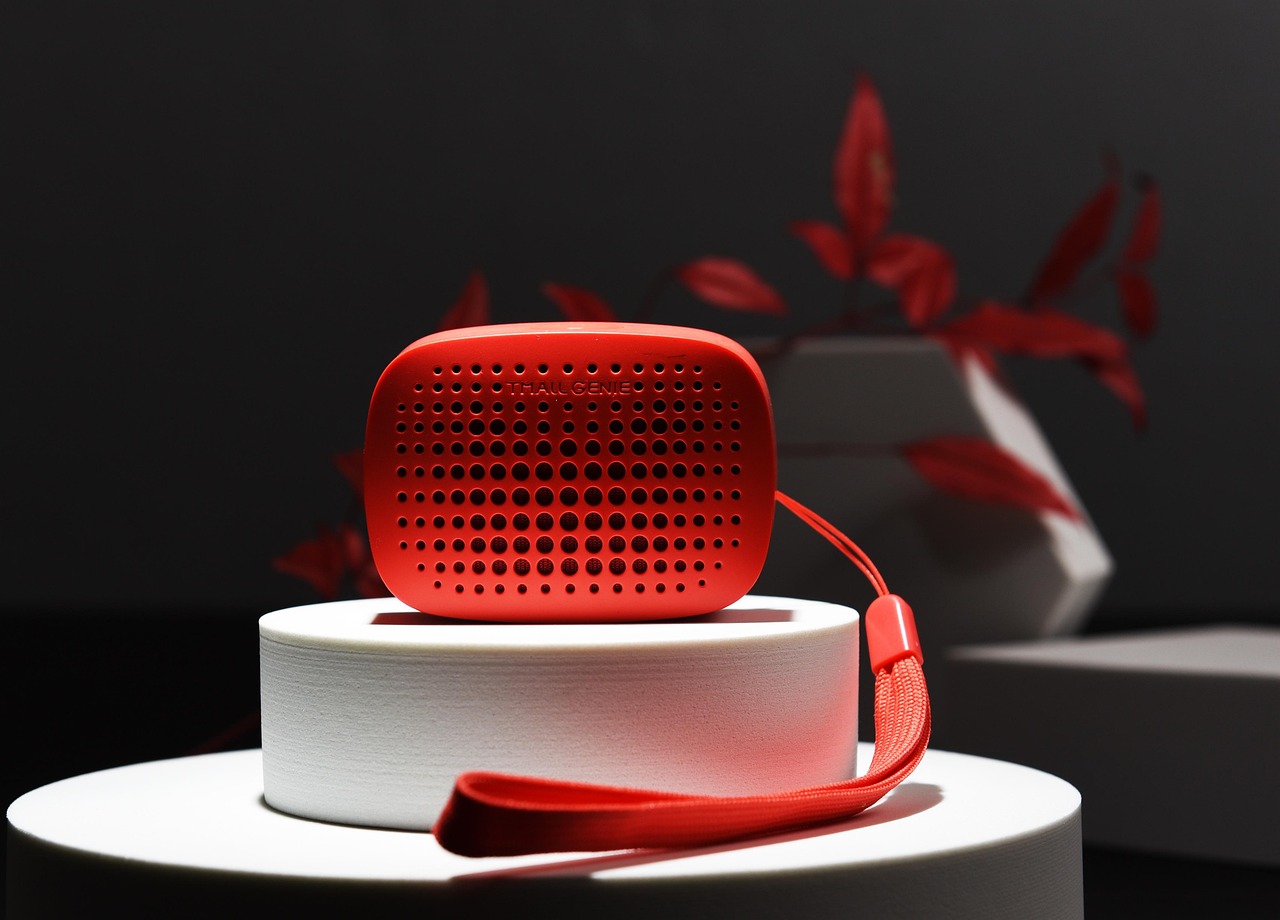
In January 2026, security researchers found that Bondu, a plush AI toy for young children, had left roughly 50,000 chat transcripts sitting behind a web console that anyone could reach by logging in with an ordinary Google account. The logs held children’s names, birth dates, family details, and the unguarded conversations a small child has with something it trusts completely. Bondu took the console down within minutes of being told, and said it found no evidence anyone else had got in. Even so, the exposure had been live, and the point stands. The same trust that makes a child confide in a toy is the trust that fills the log file.
Parents already feel the tension
None of this is lost on parents. In a December 2025 survey of just over a thousand of them by Common Sense Media and the research firm SSRS, more than eight in ten said they were worried about AI toys collecting their child’s personal information. Most didn’t want the toy acting as their child’s friend, though nearly one in five did. And yet nearly half had already bought, or seriously considered buying, one.
That gap, deeply uneasy yet buying anyway, is the honest state of things. These toys are appealing. They’re marketed hard, especially at Christmas, and “it’ll answer all her questions” is a genuinely tempting pitch to a tired parent.
What we’d actually do
We build AI tutors for children, so we aren’t neutral about AI around kids, and it’s precisely because we work with it that our view on AI toys is cautious. Treat one as an internet-connected microphone in your child’s bedroom, because that’s what it is, and let that reframe the decision. For a child under five or six the case is especially thin: the developmental value of a chatbot is unproven, and the trust a very young child extends is the easiest to exploit. Before buying, it’s fair to ask which AI model runs the toy, which company sees the transcripts, whether you can read and delete them, and where the recordings end up. If those answers are hard to find, that’s your answer.
Regulators are starting to move. In April 2026, US Representative Blake Moore introduced a bill that would ban selling any children’s toy containing an AI chatbot outright. But lawmaking is slow, and that one is American. In the meantime the old teddy bear still does the single thing a bedtime toy is actually for. It listens, and it keeps every secret, because it can’t do anything else.
Was this useful?
Sources
- AI in the Toy Box: How Parents View AI-Enabled Toys for Young Children · SSRS / Common Sense Media
- AI teddy bear for kids responds with sexual content and advice about weapons · Malwarebytes
- An AI plush toy exposed thousands of private chats with children · Malwarebytes
- Rep Blake Moore Introduces Bill to Ban Artificial Intelligence Chatbots in Children's Toys · Benton Institute for Broadband & Society