Kids are adopting AI faster than adults, and they're wary of it

The names on this survey are not the ones you would expect. When we talk about children and AI, the setting is usually a suburb in California or a secondary school in England. But the biggest recent count of what kids actually do with AI came out of Armenia, Brazil, Colombia, the Dominican Republic, Jordan, Mexico, Montenegro, North Macedonia, Pakistan and Serbia. Ten middle-income countries. Not a rich-world story at all.
That is the first useful thing to sit with. UNICEF, the UN children’s agency, drew together data from those ten countries and published it on 30 June 2026, just before the first Global Dialogue on AI Governance. Its estimate: at least 20 million children have already used AI, and they are taking it up more than three times faster than the adults around them. UNICEF’s own phrase for what this means is blunt. A generation, it said, is “growing up inside a global experiment.”
What the 20 million are actually doing
Most of it is homework. Around 13 million of those children said they use AI to help with schoolwork and learning, which will surprise no parent who has watched a teenager get a maths problem explained at eleven at night.
The quieter number is the one worth slowing down for. About 2 million children, roughly one in ten, said they turn to AI for advice on things that worry them. Not the capital of France. The things that keep a twelve-year-old up. That is a machine, available at all hours, becoming a first confidant for a small but real slice of kids, often in places where a counsellor or a spare adult hour is hard to come by.
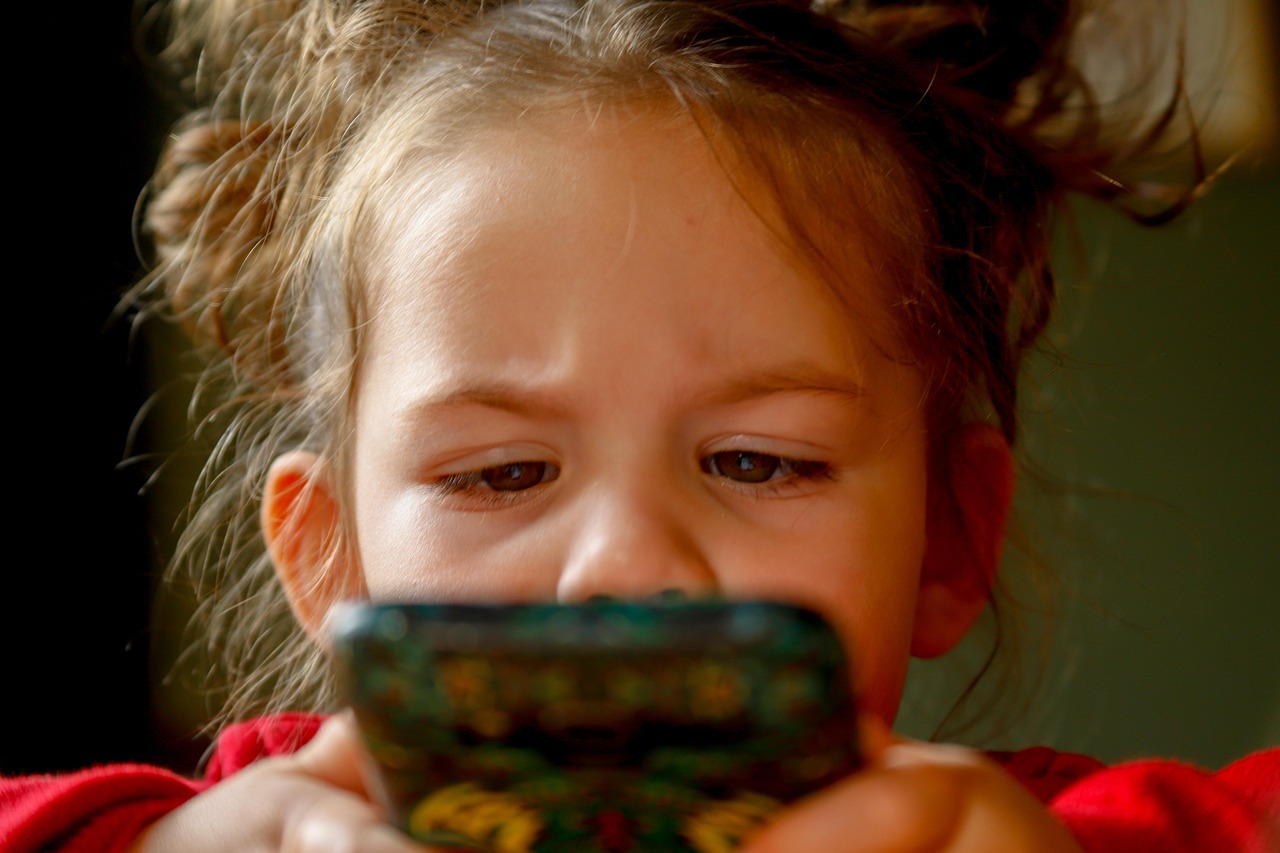
The survey behind these figures is not a quick online poll. It drew on roughly a thousand internet-using children aged 12 to 17 in each country, plus about a thousand of their parents, with national coverage in most places above nine in ten. The AI questions sat inside Disrupting Harm, a long-running child-safety study UNICEF runs with INTERPOL and the child-protection network ECPAT. This is careful work, not a headline chasing a trend.
The part that should reassure you a little
Here is what did not make most of the headlines. These children are not naive about the thing they are using.
In the same ten countries, a third of children said they were worried about AI being used to scam and trick people, or to spread misinformation. A quarter said they feared their own images or videos being manipulated into sexually explicit fakes. Sit with that for a second. These are not fears a safety lesson had to install in them. Kids arrived at the survey already uneasy, and uneasy about roughly the right things: fraud, lies, and the misuse of their own faces.
That changes how the talk should go. The usual assumption behind a stern AI lecture is that the young are dazzled and the adults are the sober ones. This data points the other way. Plenty of kids are already wary. What they lack is not concern but any real say over the systems themselves. As UNICEF put it, children “are more exposed to AI systems, including how they are designed, their underlying business models, and how their own data is used, yet have far less power to avoid or challenge them.”
What a parent can do with this
(For the record: we build an AI mentoring product for children, so we have a stake in this story. Read our take with that in mind.)
The temptation, faced with numbers like these, is to reach for a lock. Ban the app, buy the monitor, wait for a law. Locks have their place, but they answer the wrong question here. If your child is one of the ten who already worries their photo could be faked, the missing piece is not surveillance. It is a conversation that treats their wariness as the sensible instinct it is, and builds on it.
So a good opening is not “what are you doing on that thing.” It is closer to asking what they have used it for, and whether anything about it has felt off. You are likely to find a child who has already clocked something dodgy and simply had nowhere to take it. Be the somewhere.

And if your child is among the two million bringing their worries to a chatbot, that is worth knowing without panic. A chatbot is not a friend and it is not a counsellor, and a child leaning on one for the hard stuff is usually telling you something about how reachable the humans around them feel. The answer is not to shame the habit. It is to be the person they would rather have asked.
Was this useful?