Kids given AI still reached for the crayons
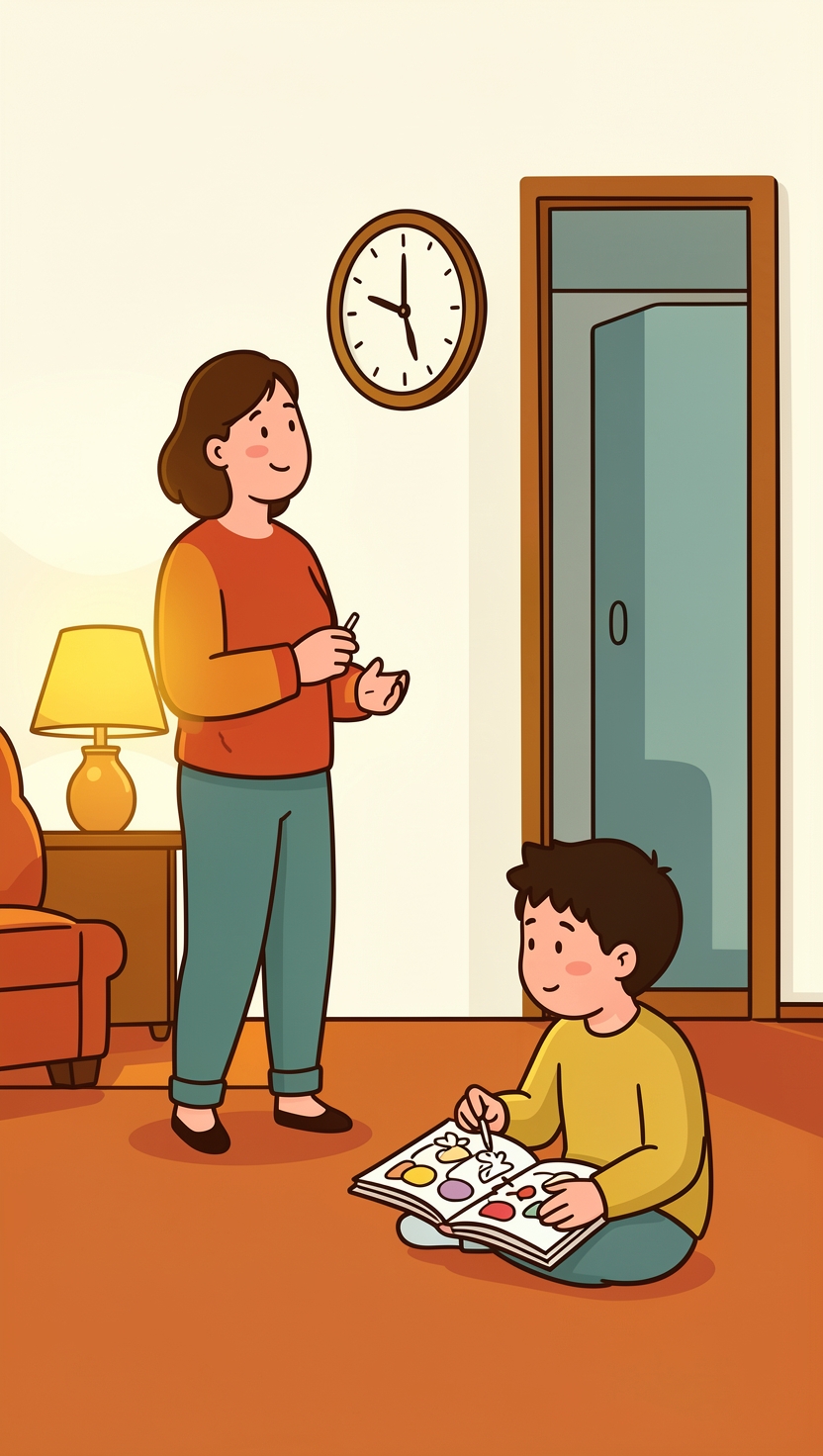
Forty children in two Scottish state schools spent three days playing with generative AI. They were nine to eleven years old, the workshops were run by the Alan Turing Institute with Children’s Parliament, and the tools in the room were the multi-modal ones, ChatGPT and DALL-E and their kin. Then, when it came to the creative tasks, the children kept reaching for the arts and crafts.
The researchers put it drily. Children in the study “demonstrated a preference for offline tools such as arts and crafts, where these are available, particularly for creative activities”. Where these are available. That clause is doing an enormous amount of work, and it is probably the single most useful thing a parent can take from the whole project, which was published in 2025 and funded by the LEGO Group.
Most of what children do with AI is mucking about
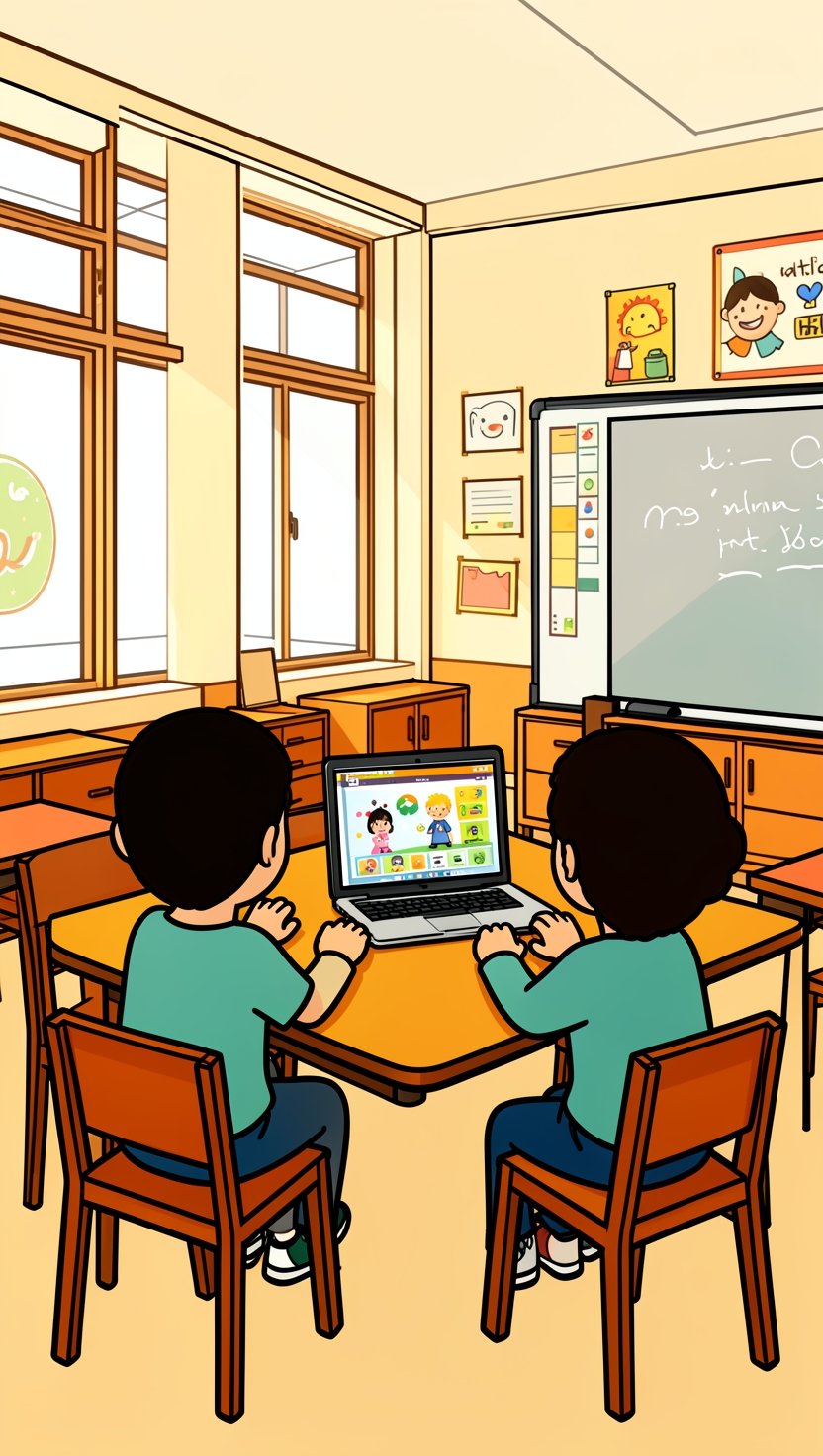
The same research surveyed 780 children aged 8 to 12 in the UK, along with their parents and carers. Twenty two per cent said they had used a generative AI tool. Among those who had, 43% used it for creating fun pictures and for finding out information or learning about something, and 40% for entertainment and playing around. The most popular tool was ChatGPT, used by 58% of the children who use anything, then Gemini at 33% and Snapchat’s My AI at 27%.
There is a small childhood arc buried in the age breakdown. Eight-year-olds mainly used it for entertainment. Ten-year-olds mainly for creating fun pictures. By twelve, it was mostly homework.
Two other findings from that report deserve more attention than they got. More than half of the children had never heard the term “generative AI” at all, with much lower awareness in state schools than private ones. And during the workshops, some children chose not to use generative AI at all after learning about the energy and water it costs. Not because an adult told them to. Because they found out and decided.
Where AI did win their attention
In May, in Bradford, more than 200 young people brought projects to Coolest Projects UK, the Raspberry Pi Foundation’s showcase for young tech creators. AI is now a category there in its own right, sitting alongside Scratch, Python, hardware, web design and game development.
One of the entries was Pop Bot, described by the Foundation as a robotic reminder system that recognises people’s faces and plays a personalised reminder message. What is lovely is what its makers wanted to talk about. “Our facial recognition system kept getting confused, so we took more photos to help it recognise better,” one of them told the Foundation. They went on: “We used different backgrounds, clothes and lighting to help it recognise our faces better, but we also took new photos when we got to Coolest Projects, so it would work better in front of the judges.”
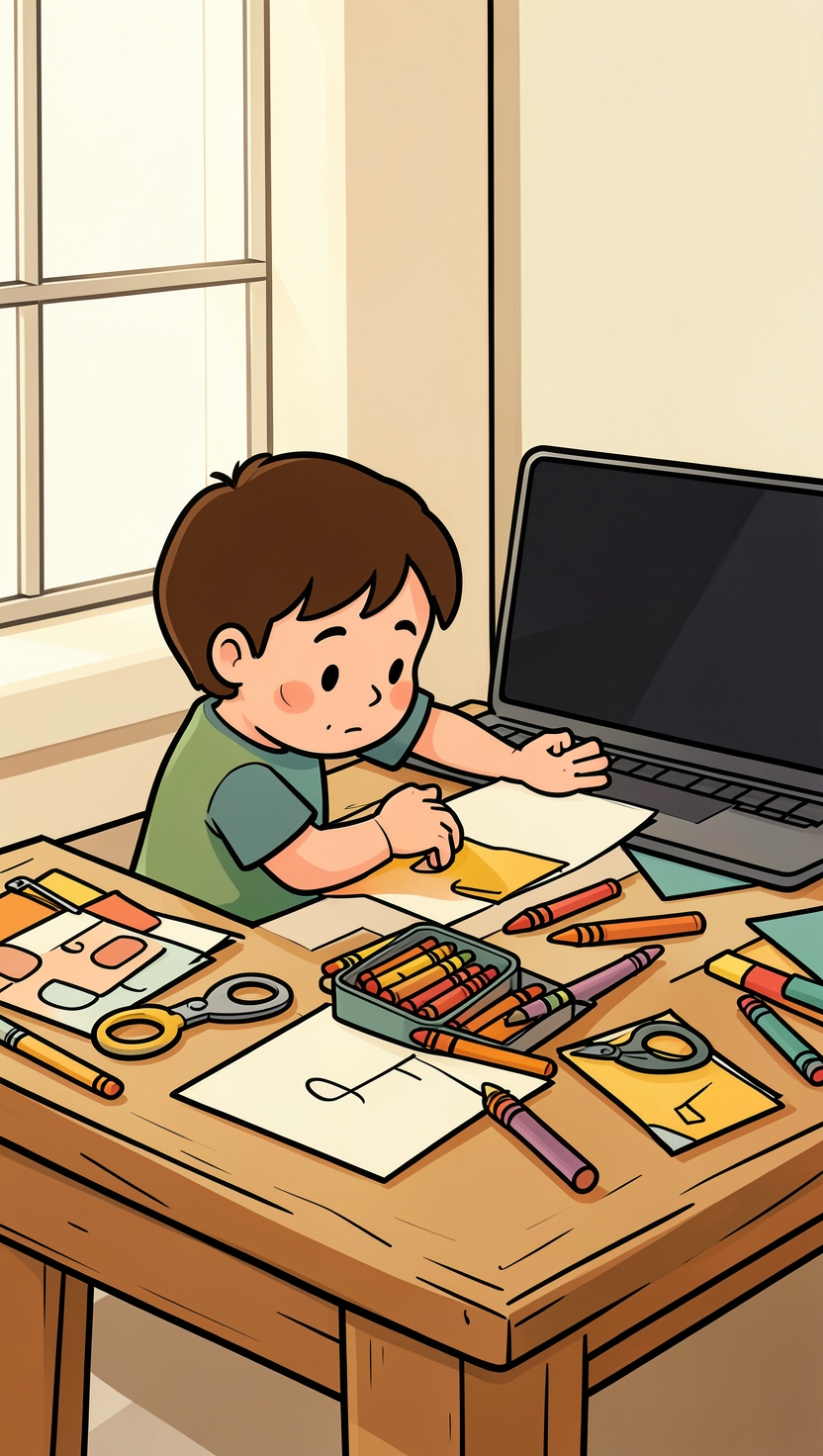
A month earlier in Dublin, over 100 young people showed more than 80 projects at the Explorium. The judges’ favourite in the AI category was Cara, which means friend in Irish: a large language model built to explain the Irish legal, housing and administrative systems to people who have emigrated there. Its maker’s opening line was not about how clever it is. “One of the key problems with artificial intelligence is that they hallucinate, but I found a countermeasure to it.”
Notice what both sets of makers were enjoying. Not the output. The stubbornness. A machine that kept getting things wrong, and a person deciding to be in charge of it anyway. That is a completely different relationship to the one you get from typing “draw me a dragon” and admiring the dragon. We have written before about what kids build with AI, and this is the pattern that keeps showing up: the AI held their interest because it was the difficult part of a job that had a real person at the end of it.
What this means at a kitchen table in Singapore
Singapore’s Ministry of Health, in its January 2025 guidance on screen use, asks parents of 7 to 12 year olds to keep screen use under two hours a day unless it is related to schoolwork, so that there is time for sleep, exercise and face-to-face interaction with friends and family. Fair enough. But the hours are the easy question, and most families have already had that argument.
The harder and more interesting question is the one those Scottish workshops answered almost by accident: what is AI competing against? Children make active choices, and those choices are shaped by what else is within reach. If the alternative is a box of glitter glue, the glue does quite well. If the alternative is nothing, AI wins by default, and it wins in its least useful mode, the one where it makes the thing and the child watches.
So the move is not to ban it or to timetable it. Put it beside the craft materials rather than instead of them. Give it a job with a person on the other end: a card for a grandparent, a quiz for a younger sibling, a translation for a neighbour. Keep the versions that came out wrong, because that is where a child learns what the machine actually is.
And if your child does build something, Coolest Projects is open to any young person anywhere in the world up to age 18, it costs nothing, and projects do not need to be finished to be submitted. The 2026 online showcase took more than 4,500 creations from over 15,000 young people across 40 countries, 47% of them girls. Entries opened in January and closed on 27 May.
The best sentence in either write-up was not about what an AI produced. It was a child explaining that they had gone and taken new photos at the venue so the robot would recognise them in front of the judges. Leave the crayons out anyway.
Was this useful?
Sources
- Understanding the Impacts of Generative AI Use on Children (combined briefing) · The Alan Turing Institute
- Robots, games, AI, and more at Coolest Projects UK 2026 · Raspberry Pi Foundation
- Celebrating young tech creators at Coolest Projects Ireland 2026 · Raspberry Pi Foundation
- Celebrating over 15,000 young creators at the Coolest Projects 2026 online showcase · Raspberry Pi Foundation
- Coolest Projects 2026: Opens for entries in January! · Raspberry Pi Foundation
- Guidance on Screen Use in Children (January 2025) · Ministry of Health, Singapore