Why young children believe AI before they can question it
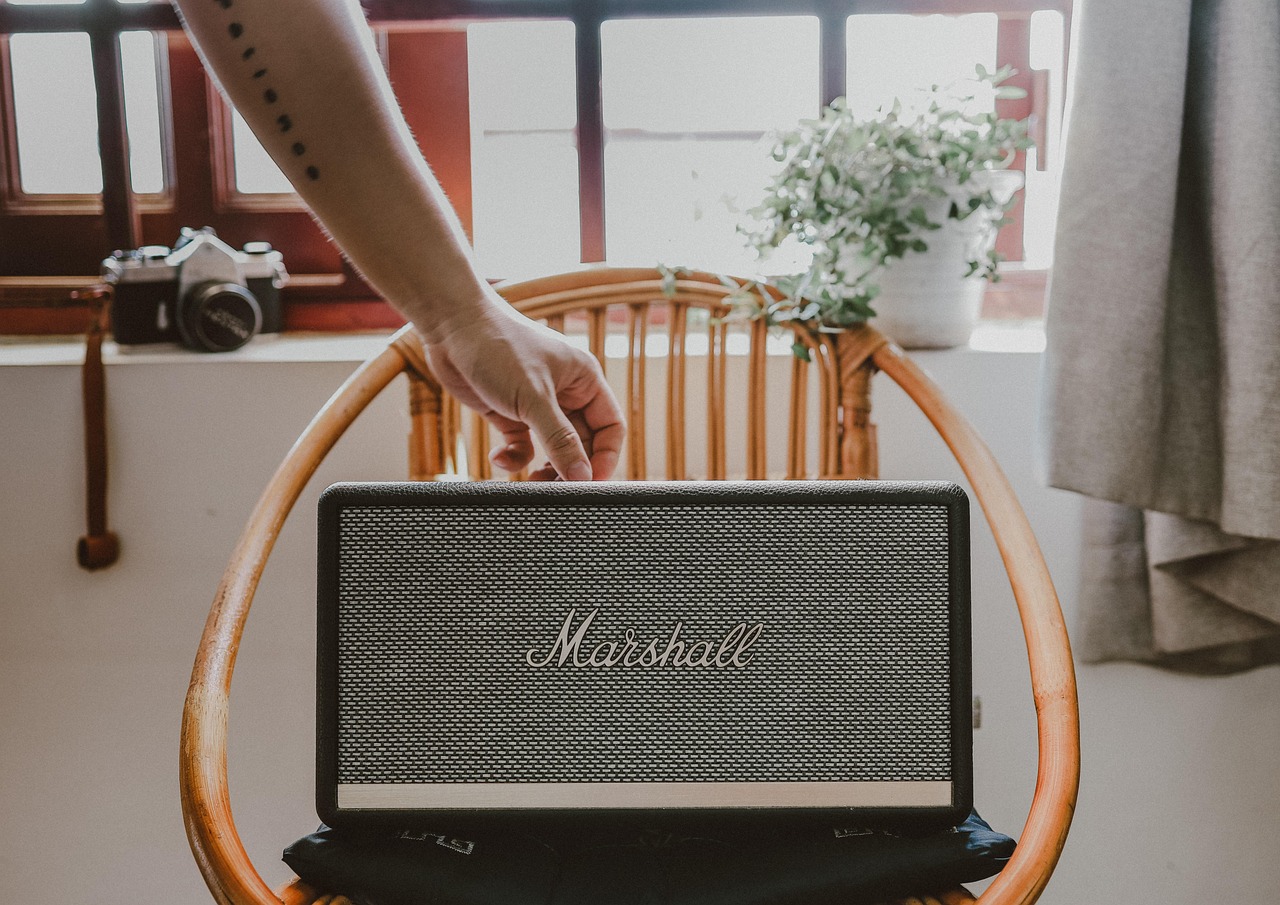
Ask a four-year-old where thunder comes from and she may turn to the kitchen speaker before she turns to you. Whatever it says, she believes. Not because she has weighed the speaker against you and found it more reliable, but because it is confident, it is quick, and it sounds like someone who knows. That small moment is where the real question about children and AI lives. And it is not the question most of us are asking.
The worry is aimed at the wrong age
When parents say they are worried about AI, they usually picture a teenager. A July 2026 Deloitte survey of 1,207 parents found that roughly half, 49%, worry their child leans on AI too much, in school and out of it. The same survey found only a third said their child’s school had any guidance on AI use, and 38% did not know whether the school had a policy at all. The image behind those numbers tends to be an older kid pasting an essay prompt into a chatbot.
Fair enough. But the children who meet AI earliest, and trust it most easily, are much younger than that. And almost nobody is watching them.
They meet it as a voice they already trust
For a lot of small children, the first AI in their life is not a chatbot they chose. It is the speaker on the counter. In an April 2026 Brookings review of the technologies already shaping young children’s lives, Sweta Shah reported that about 60% of parents of two- to eight-year-olds say their child interacts with a voice assistant like Siri or Alexa, and half say it happens at least once a day. Children up to eight average around two and a half hours of screen time a day; the five-to-eight group nears three and a half.
The trouble is what a young child brings to that speaker. Shah cites work from Boston Children’s Digital Wellness Lab finding that the youngest children are the most likely to attribute human-like thoughts and emotions to a device. Dr Dana Suskind, quoted in the same piece, puts it plainly: young children “lack the conceptual tools to understand what an AI companion is.” To a five-year-old, a warm voice that answers every question is not a statistical text predictor. It is someone who knows things.

Trust arrives before judgement
Scepticism is a skill, and it is one children build slowly. A 2020 study from the University of Louisville by Hailey Streble, Judith Danovitch and colleagues tested exactly this. They gave forty four- and five-year-olds, and forty seven- and eight-year-olds, two sources to consult: a human friend and a voice-activated device, each answering three kinds of question, personal ones, stable facts, and timely information. The older children sorted it out sensibly. They trusted the device for stable facts and the human friend for personal ones. The younger children could not reliably tell which source suited which question, and were even willing to trust the device on the personal questions a friend would obviously know better. The researchers concluded, in careful academic language, that younger children “need more guidance from adults to understand and use voice-activated devices.”
Read that again. The trust shows up years before the judgement that is supposed to govern it.
And the machine is often wrong
This would matter less if the tools were reliably safe. They are not. In the same Brookings review, a U.S. PIRG investigation of four popular AI toys turned up age-inappropriate content, including explicit sexual material and guidance involving dangerous household objects, from products marketed to small children.

Older kids meet the same problem in a different wrapper, and it is worth seeing, because the youngest are heading straight for it. In July 2026, Common Sense Media’s Youth AI Safety Institute assessed Google’s AI Overviews and AI Mode, the summaries that now sit on top of ordinary search results and are used by about 75% of American children aged nine to seventeen. The assessment found the features missed 29% of explicit references to suicide and, tellingly, could not be switched off. “It’s deeply disturbing how poorly these widely accessible tools do,” said Justin Reich of the MIT Teaching Systems Lab. A nine-year-old at least has some doubt to fall back on. A trusting five-year-old, inheriting the same default answer, has less.
What actually helps
None of this argues for pulling the plug, and a monitoring app misses the point entirely. What a young child is missing is not surveillance. It is a reflex: the small internal pause that asks, is that even true, and how would we find out?
That reflex is teachable, and it is teachable early, at the kitchen table, long before a school gets round to an AI policy. Ask the speaker something you already know the answer to, and let your child hear it get something wrong. Name the machine as a machine, out loud, in ordinary words: it is a very good guesser, not a person who knows. When it answers, sometimes ask, “how could we check that?” and then actually check. You are not teaching a four-year-old about large language models. You are teaching her that confident and correct are two different things, a lesson she will need for far more than a speaker.
We build a mentoring product, so we are not neutral about any of this. But the point holds without us in it. The most useful thing you can be, for a small child in a house full of answering machines, is the human she still turns to first.
Was this useful?
Sources
- Generation AI starts early: A guide to technologies already shaping young children's lives · Brookings Institution
- Phone a Friend or Ask Alexa? Children's Trust in Voice-Activated Devices · University of Louisville
- 2026 Deloitte Back-to-School Survey · Deloitte
- Google's AI search features pose 'unacceptable risk' to children, new report finds · PBS NewsHour