Fortnite's age rating stops where the AI starts talking
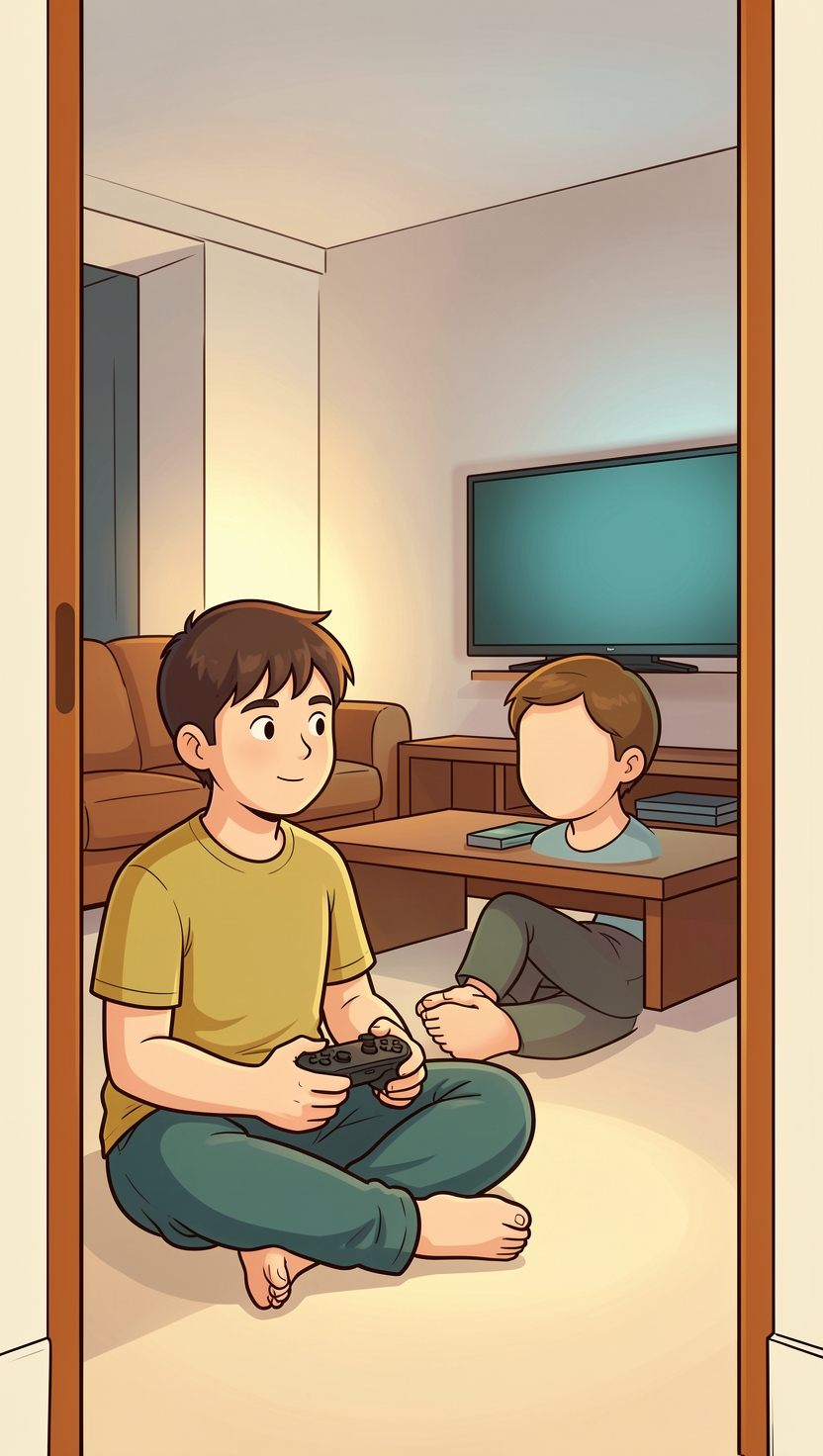
The rating told you what you needed to know. T for Teen. A parent could make the call in about four seconds and get on with the evening. That system works because a game is a finished object: somebody plays it all the way through, writes down what is in it, and stamps the box.
Epic quietly broke that assumption at the end of July.
What Epic turned on
Since 30 July 2026, creators who build islands inside Fortnite can publish characters that hold unscripted conversations with players. The gaming site GAMES.GG reported that 36 original Fortnite characters, Fishstick and Cuddle Team Leader among them, now come with AI generated voices for use in creator built islands, with the dialogue produced by Google’s Gemini. Epic says those voices come from performances by independent professional actors, captured specifically for developer made islands.
PCGamesN, which covered the feature back in April when it was still experimental, reported that Epic runs its own safety filters on top of Gemini, and that its developer rules bar creators from building NPCs that give medical or mental health guidance, that role play as a romantic partner, or that are designed to slip past content restrictions.
None of that is nothing. It is a more careful start than Epic’s earlier AI Darth Vader, which produced outputs the company had not intended, and that experience is part of why the new characters ship with locked personas.
But look at the shape of it. Every one of those protections is a rule or a filter running at the moment your child speaks. Not one of them is a rating.
A rating describes something that has stopped moving
The ESRB’s own parents’ guide to Fortnite is clear about how creator content gets classified. Player made islands each receive an ESRB rating before they are published, using automated tools followed by human moderation. Creators must be 18 or over. Nothing above T for Teen is permitted on the platform at all.
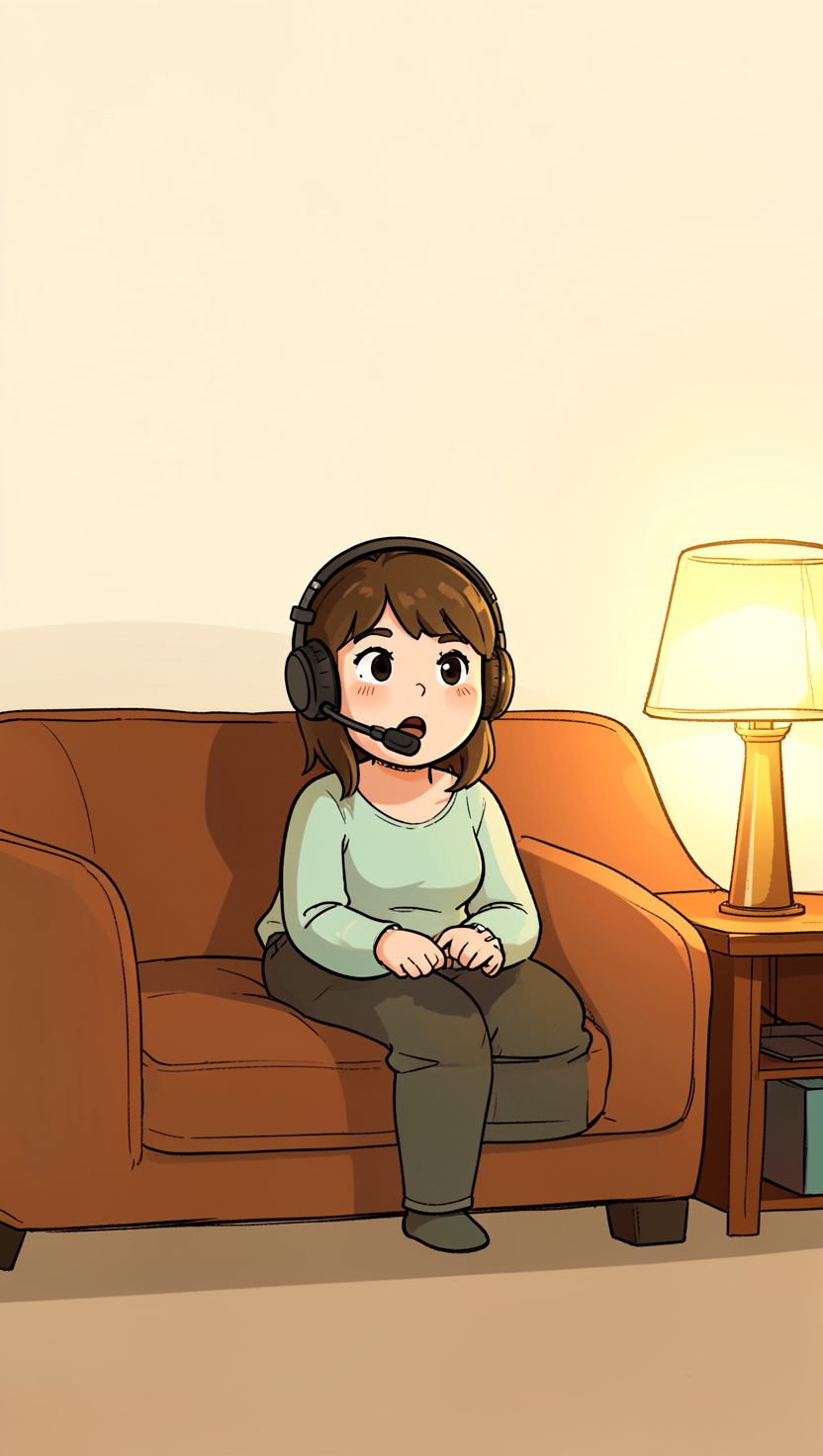
That is a decent system, and it is doing something narrower than most parents assume. It rates the island. An island is a place. What happens when your ten year old asks a character in that place a question at half past nine on a Tuesday night is generated fresh, for them, and nobody rated it, because it did not exist until they asked.
This is the part worth sitting with. It is not a scandal, and it is not a failure of anyone’s homework. It is a category problem. Classification was built for artefacts, and generated dialogue is not an artefact.
Games are where a lot of children meet AI first
We tend to picture a child’s first real AI use as homework: chatbot open in one tab, essay in the other. The evidence keeps saying otherwise.
Pew Research Center surveyed 1,458 American teens aged 13 to 17 in late 2025 and found 47% had used chatbots for fun or entertainment and 16% for casual conversation, alongside the 54% using them for schoolwork. Entertainment is not a fringe use. It sits close to the top.
Closer to home, a study by Dr Xuejiao Chen of A*STAR’s Institute for Human Development and Potential and Professor Jean Yeung of NUS, drawing on 2,985 children aged eight to 13 in the Singapore Longitudinal Early Development Study, found that more than half of eight year olds here had already used AI tools, rising to more than seven in ten by age 10 and more than nine in ten by 13. Among the eight and nine year olds, 16% fell into a group the researchers labelled gaming dominant.
So picture a Singapore eight year old whose entire AI life so far is a game. The game now has characters that answer back.

What actually helps
Not much of this is fixed by a setting. Some of it is.
The ESRB guide lists the levers Epic gives you, and they carry more weight this year than last: restrict the account to content at or below a chosen rating, set voice and text chat to friends only or off, use the parental controls PIN, and know that a child under 13 is placed in a Cabined Account with features switched off until a parent consents. Those chat settings were designed to keep strangers out. They now also govern how much talking happens at all.
Our own view, and we build a mentoring product so we have a stake in this: an AI character your child talks to is not a feature in the way a new skin is a feature. It is a small relationship with a machine, sitting inside a place your child already trusts. We have written before about what an age number on an app actually promises, and about Roblox letting children build a game by typing a sentence. This is the same shift arriving through a different door.
The rest is a conversation, and a short one. “What game are you playing” stopped being the whole question on 30 July. Try adding a second: who did you talk to in there, and what did they say? Children answer that one happily, because to them it is the interesting part. And it gets you the thing no rating can.
Was this useful?
Sources
- Fortnite NPC AI Voices Coming With Conversations Feature · GAMES.GG
- Epic Games is letting Fortnite developers test AI NPC conversations · PCGamesN
- A Parents' Guide to Fortnite · Entertainment Software Rating Board
- How Teens Use and View AI · Pew Research Center
- Over half of 8-year-olds in Singapore have used AI · AsiaOne
- Fortnite Is Finally Letting You Talk to Your Favorite NPCs With New AI Voice Chat Feature · Beebom