YouTube Kids AI videos: how to spot them and what to change
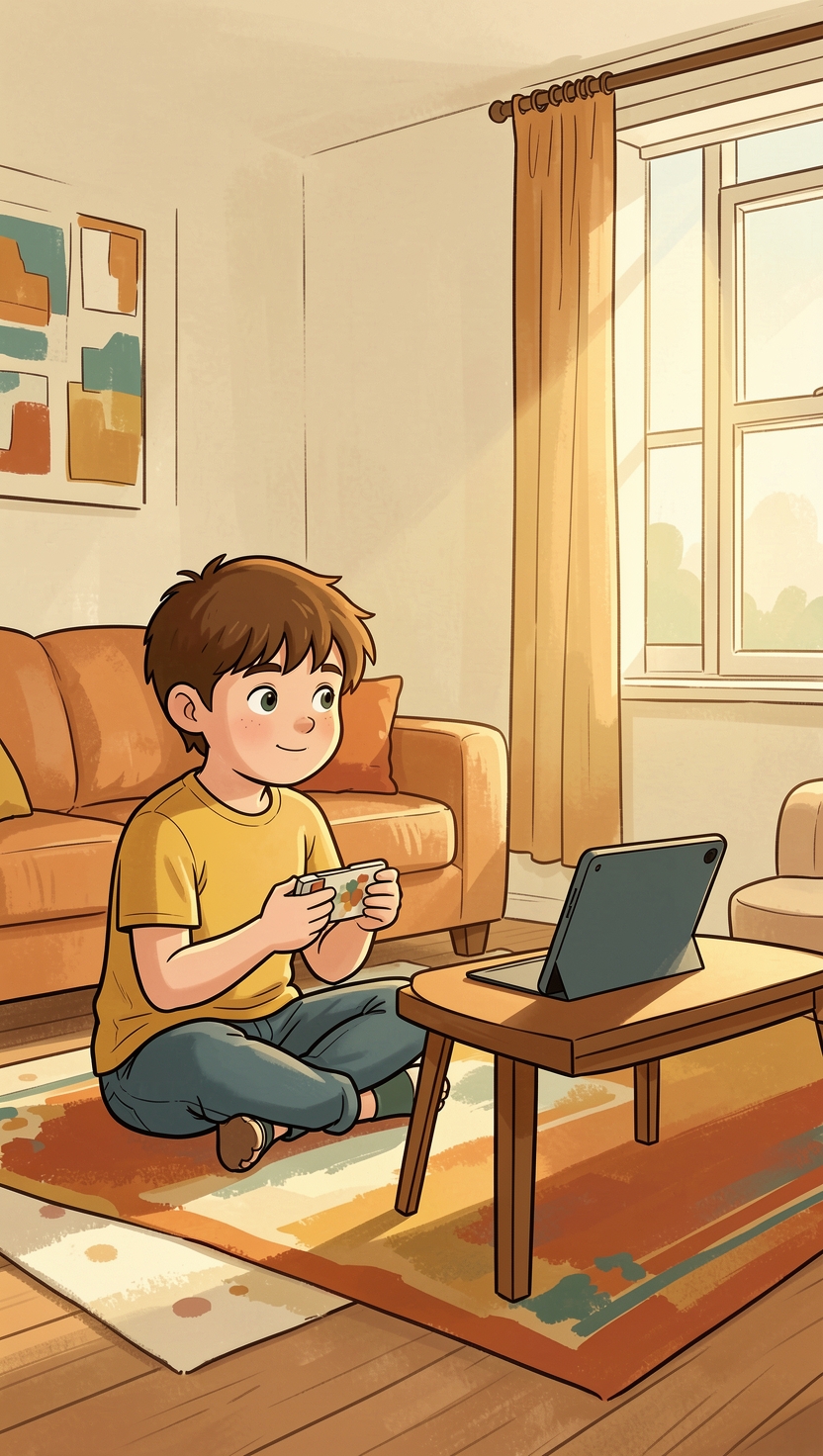
The cartoon looks fine for about forty seconds. A cat in a yellow raincoat, a nursery tune, a puddle. Then the cat has a paw too many, the puddle becomes a staircase, and a voice that never seems to breathe says something cheerful about counting. Your four year old does not blink. Why would they? Talking animals were always the deal.
That video was almost certainly generated, and there is nothing on it to tell you so. The absence is not an oversight. It is what the rules currently say.
Nobody is going to label the singing dinosaur
Start with the thing most parents assume is handled. YouTube does require creators to disclose their use of AI, but only for realistic content: material that makes a real person appear to say or do something they did not, that alters footage of a real event or place, or that generates a realistic scene which never happened. Its own help pages then list what is exempt, and the list includes fantasy scenarios and fully animated videos. A generated cartoon cat is fantasy by definition. No rule has been broken. No label is coming.
India’s new regime reaches the same spot from the opposite direction. MeitY notified the IT Amendment Rules on 10 February 2026, in force from the 20th, and they oblige platforms to label “synthetically generated information” clearly and to embed provenance metadata that cannot be stripped out. Then read the definition. It covers material that appears real, authentic or true, and that portrays a person or an event in a way likely to be perceived as indistinguishable from a natural person or a real-world event. That is a deepfake rule, and India needed one. A dancing dinosaur singing about numbers is not pretending to be a real dinosaur. Whether a plainly cartoon video ever falls inside that definition has not been tested, and no parent should wait for the answer.
Your child does not have to go looking for it
In April 2026 the child-advocacy group Fairplay wrote to Sundar Pichai and to YouTube’s chief executive Neal Mohan, backed by 135 organisations and 102 individual experts, with six asks: label all AI content, keep it off YouTube Kids, keep AI-generated “Made for Kids” videos off the main platform, stop recommending it to anyone under 18, add a parental switch that is off by default, and stop funding AI video made for children.
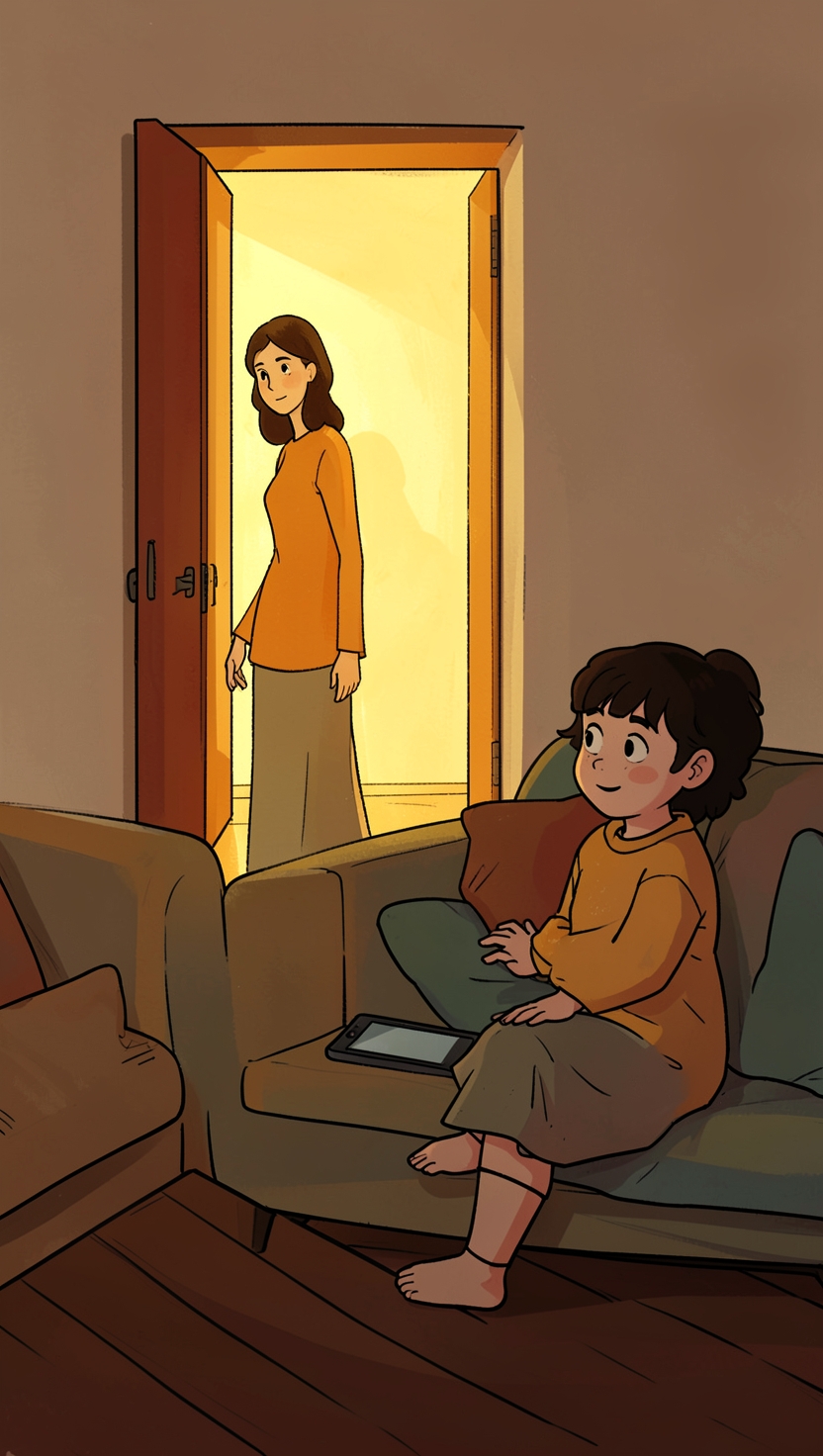
The number in that letter worth carrying around is not about how much of this stuff exists. It is about how a child meets it. Citing a New York Times investigation, the letter says that after watching popular preschool shows such as Cocomelon, 40 per cent of the videos recommended next contained AI-generated content, and that about 21 per cent of a new user’s recommended Shorts were AI slop. Nobody searched for any of it. They just let something good finish playing.
Money explains the pace. The letter reports that the top-watched AI channels aimed at children have earned over $4.25 million in revenue annually so far, and that this kind of video can be generated in bulk, fast. That last part matters more in India than almost anywhere. YouTube says it has paid Indian creators, artists and media companies ₹21,000 crore over three years, committed another ₹850 crore in May 2025, and now counts more than 15,000 Indian channels past a million subscribers. A market that pays for volume, in a country that watches in many languages, is going to get volume in many languages. Generated toddler content is the cheapest volume anyone can make.
Google’s reply, given to Tubefilter, was that it prioritises transparency around AI content, labels output from its own AI tools, requires creators to disclose realistic AI content, and keeps evolving its approach. Reporting at the time added that YouTube is working on AI labels for the Kids app, which leaves the awkward question of what a label does for an audience that cannot read.
A rough test that takes two minutes
This part is ours rather than research, and it is closer to a knack than a method. Watch one video with the sound on and check four things.
Count the paws, hands and fingers, especially in a shot where something is being held. Read any text on signs, cakes or books, because generated lettering still tends to melt. Look for continuity across a cut: the same character in a slightly different colour, a room that rearranges itself, a toy that changes size. Then listen for a voice with no breath in it, landing the stress on the wrong syllable.
If you are still unsure, open the channel itself. Hundreds of uploads in a few weeks, no recurring character with a name, a generic title repeated in three languages: that is a factory, not a studio.
Change the settings, not just the video
Spotting is the small win. The queue is the big one.
In the YouTube Kids app the content setting has four options: Preschool, Younger, Older, and approve content yourself. In that last mode, in YouTube’s own words, “your child can only watch videos, channels, and collections that you’ve handpicked”, and your child cannot search at all. It costs an evening of setup and it is the only setting where recommendations stop choosing what comes next. Short of that, switching search off limits viewing to videos and channels verified by the app, and switching autoplay off breaks the chain at exactly the point where the drift starts. You can also block a channel outright, and clear or pause the watch history so that one strange video today does not shape the feed tomorrow.
Then tell your child what the game is
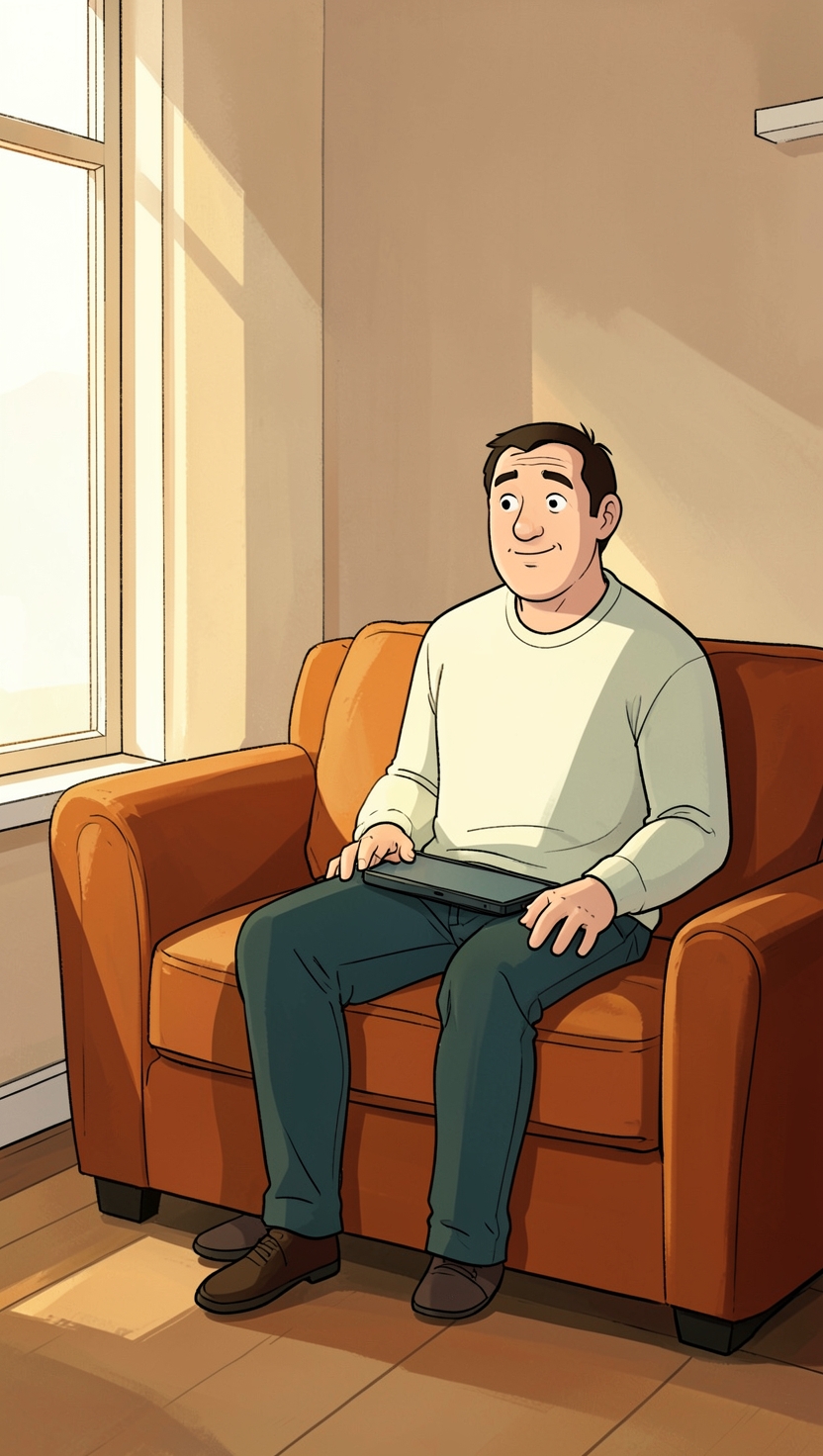
A five year old cannot audit a video. A nine year old can play spot the mistake, and will play it relentlessly, which is the whole point. Ask them to catch the extra finger before you do. Ask what the video wanted them to do next. It is the same habit we wrote about in teaching kids to fact-check AI, pointed at cartoons instead of homework answers.
If you change one thing this week, switch off autoplay. The first video was your choice. The fortieth was not.
Was this useful?
Sources
- Letter to Sundar Pichai and Neal Mohan re AI-Generated Content for Kids, 1 April 2026 · Fairplay
- YouTube: Stop 'AI Slop' for Kids, Says Letter from Fairplay, Over 200 Experts · Fairplay
- Disclosing use of altered or synthetic content · YouTube Help
- Parental controls and settings in YouTube Kids · YouTube Kids Help
- India targets deepfakes and AI-generated content: key changes under MeitY's 2026 amendments to the IT Rules · Freshfields
- YouTube's India commitment: INR 21,000 crore paid out to Indian creators · Google India
- 200 experts tell YouTube to stop recommending AI slop to kids · Tubefilter